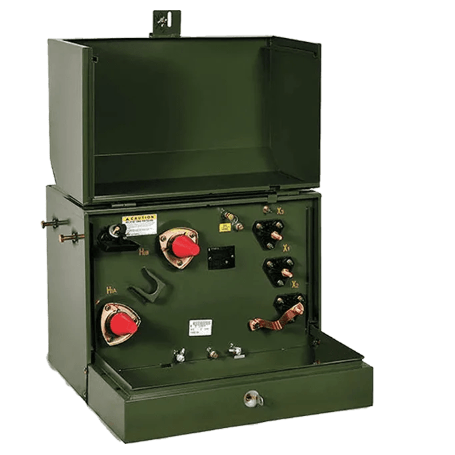
Stable and safe electricity is essential for homes, workshops, small businesses, and light industrial operations. When power needs go beyond simple household supply, voltage management becomes critical. A compact 15 kVA single phase transformer offers a practical solution for safe power conversion while maintaining efficiency in a small physical footprint.
This type of transformer is designed to step voltage up or down depending on application needs, while ensuring electrical systems remain protected from fluctuations, overloads, and instability. Its compact design makes it especially suitable for locations where space, safety, and reliable performance are equally important.
Understanding a 15 kVA Single Phase Transformer
A transformer is an electrical device that transfers energy between circuits using electromagnetic induction. It adjusts voltage levels without changing frequency, ensuring electrical compatibility between supply and equipment.
What Does 15 kVA Represent?
The rating “15 kVA” stands for 15 kilovolt-amperes, which indicates:
- The maximum apparent power the transformer can handle
- Suitable load capacity for medium-demand applications
- Balanced performance for residential and commercial use
This makes it ideal for systems that require more than basic household power but do not need large industrial-scale capacity.
Single Phase Operation Explained
A single phase transformer works on a single alternating current supply. It is commonly used in:
- Homes and apartments
- Small retail stores
- Workshops and offices
- Light-duty machinery setups
Compared to three-phase systems, single phase transformers are simpler, more compact, and easier to install.
Why Compact Design Matters in Power Systems
The “compact” aspect of a 15 kVA transformer is more than just physical size—it directly impacts usability, installation, and safety.
Space-Saving Installation
Compact transformers are designed to fit into:
- Small electrical rooms
- Wall-mounted or enclosed cabinets
- Tight industrial spaces
- Urban commercial environments
This makes them highly practical for modern infrastructure where space is limited.
Easier Integration into Existing Systems
Because of their reduced size and simplified structure, compact transformers can be:
- Installed with minimal structural changes
- Integrated into older electrical systems
- Added to backup or secondary power setups
This flexibility is particularly useful for expanding businesses or upgrading electrical systems.
See also: The Rise of Intelligent Sensor Networks
How a Compact 15 kVA Transformer Works
Despite its smaller size, the working principle remains the same as larger transformers.
Core Operating Principle
A transformer operates using electromagnetic induction:
- AC power enters the primary winding
- A magnetic field is created in the core
- This field induces voltage in the secondary winding
- Output voltage is adjusted based on winding ratio
Voltage Step-Up and Step-Down Function
Depending on design, a 15 kVA transformer can:
- Reduce high incoming voltage to safe usable levels
- Increase low voltage for specific equipment requirements
This ensures compatibility between power supply and electrical devices.
Safety Benefits of Using a 15 kVA Single Phase Transformer
Safety is one of the most important reasons for using transformers in electrical systems. A compact 15 kVA unit is designed with multiple protective features.
Voltage Stabilization
Power fluctuations can damage sensitive equipment. A transformer ensures:
- Consistent output voltage
- Protection against surges and dips
- Stable operation of connected devices
Electrical Isolation
Transformers provide isolation between input and output circuits, reducing risks of:
- Electric shock hazards
- Ground faults
- Cross-system interference
Overload Protection
Modern compact transformers are designed to handle temporary overloads while preventing system damage.
Key Applications of Compact 15 kVA Transformers
This transformer size is widely used across different environments due to its balance of capacity and size.
Residential Applications
In homes and housing complexes, it supports:
- Air conditioning systems
- Kitchen appliances
- Backup power systems
- Voltage stabilization for sensitive electronics
Small Business Use
Retail stores, offices, and service centers use it for:
- Lighting systems
- Computers and IT equipment
- Security systems
- Point-of-sale machines
Workshops and Light Industry
In small production setups, it powers:
- Machinery and tools
- Assembly equipment
- Testing systems
Agricultural and Rural Applications
It is also used for:
- Water pumps
- Irrigation systems
- Small processing units
Advantages of a Compact 15 kVA Transformer
Choosing a compact transformer provides several practical benefits beyond just power conversion.
High Efficiency in Small Size
Despite its compact design, it delivers:
- Efficient energy transfer
- Reduced power loss
- Stable long-term performance
Cost-Effective Power Solution
Compared to larger systems, it offers:
- Lower installation costs
- Reduced maintenance expenses
- Affordable operational efficiency
Reduced Energy Loss
High-quality materials such as copper windings and silicon steel cores help minimize energy wastage.
Quiet and Stable Operation
Compact transformers are designed for:
- Low noise levels
- Minimal vibration
- Smooth electrical output
Important Design Features of High-Quality Units
Not all transformers are built the same. A high-performance compact 15 kVA transformer includes several essential design elements.
Efficient Core Construction
The core is typically made from laminated silicon steel, which:
- Reduces energy loss
- Improves magnetic efficiency
- Enhances durability
High-Grade Windings
Copper or aluminum windings ensure:
- Better conductivity
- Reduced heat generation
- Longer operational life
Thermal Management System
Compact transformers are designed to manage heat through:
- Natural air cooling (dry type)
- Oil-based cooling (in some models)
- Ventilated enclosures
Installation Considerations for Compact Transformers
Proper installation is essential for safe and efficient operation.
Location Selection
The transformer should be installed in:
- Dry, well-ventilated areas
- Spaces free from excessive dust or moisture
- Easily accessible maintenance locations
Load Matching
Before installation, it is important to:
- Calculate total load requirements
- Ensure 15 kVA capacity is sufficient
- Avoid continuous overloading
Electrical Compatibility
Ensure compatibility with:
- Input voltage supply
- Output voltage requirements
- Connected equipment specifications
Maintenance Tips for Long-Term Reliability
Regular maintenance helps extend the life and efficiency of the transformer.
Routine Inspection
Check for:
- Loose electrical connections
- Signs of overheating
- Unusual noise or vibration
Cleaning and Dust Control
Keep the unit:
- Free from dust buildup
- Properly ventilated
- Protected from moisture exposure
Load Monitoring
Avoid exceeding rated capacity to prevent:
- Reduced efficiency
- Equipment damage
- Premature wear
Choosing the Right Supplier or Manufacturer
Quality and performance depend heavily on the manufacturer.
What to Look For
- Certified manufacturing standards
- Reliable warranty coverage
- Proven performance history
- Strong after-sales support
Importance of Quality Assurance
A well-built transformer ensures:
- Long-term reliability
- Better safety performance
- Lower maintenance costs
Final Thoughts
A compact 15 kVA single phase transformer is a practical and efficient solution for safe power conversion in residential, commercial, and light industrial environments. Its ability to deliver stable voltage, protect electrical systems, and operate efficiently in limited space makes it a valuable component in modern power infrastructure.
When properly selected and installed, it provides long-term reliability, energy efficiency, and safety. For users seeking a balance between performance and space-saving design, the compact 15 kVA transformer remains a dependable and cost-effective choice for everyday power needs.
