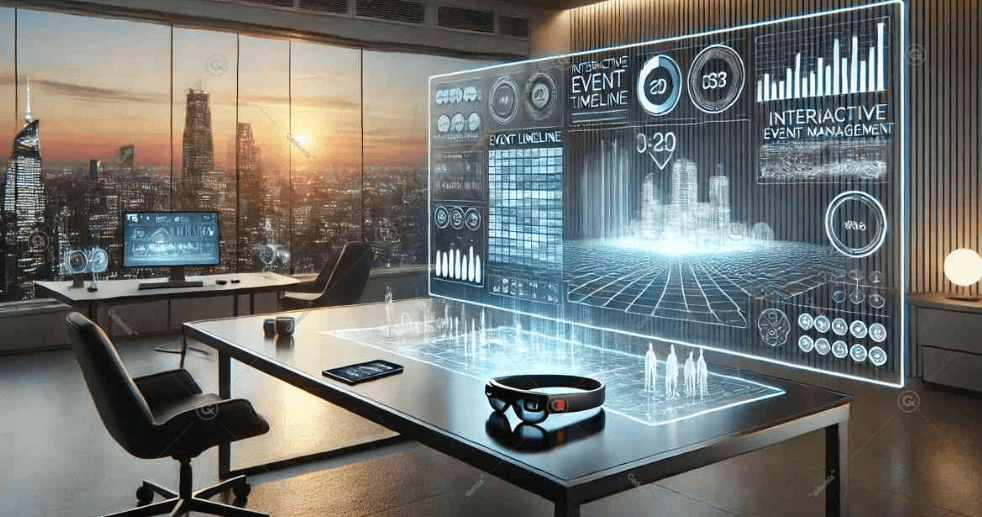
A successful event is rarely judged by one thing. Attendees may remember how easy it was to register, whether they found the right sessions, how smoothly check-in worked, and whether the event felt worth their time. Organizers, on the other hand, also need to know what happened behind the scenes: who attended, which sessions performed well, how people engaged, and whether the event delivered value.
Event technology helps connect these two sides.
For attendees, it can make events more convenient, interactive, and personalized. For planners, it can reduce manual coordination and provide clearer data for future decisions. Whether the event is a corporate conference, trade show, product launch, networking session, or hybrid summit, technology now plays an important role in shaping the experience.
Why Event Technology Is Now a Planning Essential
In the past, event technology was often treated as an optional upgrade. Today, it is becoming part of the basic infrastructure of many events.
Attendees are used to digital convenience in everyday life. They book flights online, order food through apps, receive instant notifications, and expect information to be available quickly. When they attend an event, they often expect the same level of ease.
This has changed the role of planners. They are no longer responsible only for selecting a venue, arranging speakers, and managing schedules. They also need to design a digital journey before, during, and after the event.
Event technology makes this possible by supporting registration, communication, check-in, audience engagement, networking, analytics, and post-event follow-up.
Improving the Pre-Event Journey
Online Registration
Registration is the first major interaction many attendees have with an event.
A smooth registration process creates confidence. A confusing one can create frustration before the event begins. Modern platforms help organizers manage sign-ups, ticket types, confirmations, payment collection, and attendee information in one place.
They also allow planners to collect useful data, such as job titles, interests, session preferences, dietary requirements, or networking goals. This information can shape the rest of the event experience.
Personalized Communication
Once someone registers, communication becomes important.
Automated emails, reminders, agenda updates, and personalized instructions help attendees prepare. Instead of sending the same message to everyone, planners can segment communication based on ticket type, attendance format, interests, or behavior.
For example, in-person attendees may receive venue directions and check-in instructions. Virtual attendees may receive platform access links. VIP guests may receive separate hospitality details.
This makes the event feel more organized and relevant.
Demand Forecasting and Planning
Some event platforms provide data that helps organizers understand demand before the event begins.
If one session receives far more registrations than expected, planners may move it to a larger room or add a repeat session. If virtual attendance is growing, the team may prepare stronger livestream support. If certain audience segments are underrepresented, marketing efforts can be adjusted.
These early insights help reduce surprises on event day.
Event Technology During the Live Experience
Digital Check-In
First impressions matter.
A long queue at the entrance can affect the entire event experience. Digital check-in tools, QR code scanning, RFID badges, and NFC access systems can help move attendees into the venue more quickly.
For organizers, these tools also provide real-time attendance data. They can see how many people have arrived, which sessions are filling up, and where staff may need to provide additional support.
Mobile Apps and Digital Agendas
Mobile event apps help attendees navigate the event more easily.
They can include agendas, maps, speaker details, sponsor information, push notifications, session reminders, and networking tools. This is especially useful for larger events where printed schedules quickly become outdated.
An app can also support personalization. Attendees may build their own agenda, bookmark sessions, receive recommendations, or connect with other participants.
This is one of the practical ways event technology improves both convenience and engagement.
Live Polling and Q&A
Audience engagement can be difficult, especially during long sessions.
Live polling and Q&A tools give attendees a simple way to participate. Speakers can collect instant feedback, answer questions from the audience, and adjust discussions based on real-time responses.
These features also help quieter attendees participate without speaking in front of a large room. For hybrid events, they can bring virtual and in-person audiences into the same conversation.
See also: Compact 15 kVA Single Phase Transformer for Safe Power Conversion
Making Hybrid Events More Connected
Hybrid events are not simply physical events with a camera at the back of the room.
To work well, they need thoughtful technology that supports both audiences. Virtual attendees need access to live content, recordings, networking features, chat tools, and support. In-person attendees may also benefit from digital participation features such as app-based Q&A or online session materials.
Event technology can help planners create a more unified experience through livestreaming platforms, virtual exhibitor booths, digital networking rooms, real-time captions, translation tools, and on-demand content.
When hybrid events are designed properly, they extend reach without making remote participants feel disconnected.
Using Event Technology to Support Sponsors and Exhibitors
Sponsors and exhibitors increasingly expect measurable value from event participation.
Event technology can help provide that value through lead capture tools, booth traffic data, attendee engagement analytics, sponsored app placements, digital content tracking, and post-event reports.
For trade shows and business conferences, this data can be especially useful. Exhibitors want to know how many people visited their booth, which leads were captured, and how attendees interacted with their content.
Organizers who can provide clearer sponsor reporting may be better positioned to retain partners for future events.
Post-Event Follow-Up and Data Insights
The days after an event are often just as important as the event itself.
This is when organizers can send thank-you messages, share recordings, distribute surveys, follow up with leads, and review performance data. Without technology, this process can become scattered and slow.
With the right tools, planners can segment follow-up messages, send personalized content, and connect attendee behavior with sales or marketing systems.
Analytics may reveal:
- Total attendance
- Session participation
- App engagement
- Poll responses
- Networking activity
- Sponsor interactions
- Lead capture numbers
- Survey feedback
- Drop-off points in virtual sessions
These insights help organizers understand what worked and what should change next time.
Choosing Event Technology With a Clear Purpose
It can be tempting to adopt new tools simply because they sound innovative. But the best technology choices are tied to clear event goals.
Before investing in a platform, planners should ask:
- What problem are we trying to solve?
- Will this improve the attendee experience?
- Can our team manage the tool effectively?
- Does it integrate with our existing systems?
- Will it provide useful data?
- Is it suitable for our event size and format?
A simple, well-used tool is often better than an advanced platform that the team does not have time to manage.
Event technology should make planning easier and experiences better. It should not create unnecessary complexity.
The Future of Event Technology
The next stage of event technology will likely be more personalized, more automated, and more data-driven.
AI may help recommend sessions, match attendees, answer questions, and analyze feedback. Smart badges may improve access control and attendee flow tracking. Immersive tools such as augmented reality and virtual reality may create new ways to demonstrate products or tell brand stories.
Sustainability tools may also become more important, helping planners measure carbon impact, reduce waste, and make smarter venue and travel decisions.
The future event experience will not be defined by technology alone. It will be defined by how well technology supports human connection.
Conclusion
Event technology is changing how planners design, manage, and measure events. It supports smoother registration, faster check-in, stronger engagement, better hybrid participation, clearer sponsor value, and more useful post-event insights.
For modern planners, technology is no longer just a nice extra. It is becoming part of how successful events are built from start to finish.
